Full lips can be striking, but the best results rarely shout. The goal with modern lip enhancement is volume that suits the face, not volume for its own sake. That means understanding anatomy, product choice, and technique in a way that protects proportion and preserves movement. Done well, full lip filler looks polished and balanced from every angle, both at rest and in motion.
I have worked with clients who want barely there hydration and others who crave bolder definition. The thread that connects happy outcomes is the same: a thoughtful lip filler consultation, a plan that respects facial structure, and a stepwise approach that prioritizes safety. What follows is a practical guide to lip augmentation that delivers fullness without tipping into distortion.
What “full” actually means on a real face
Fullness is not a fixed number of milliliters. It is the relationship between the lips and the rest of the features. A 0.8 to 1.2 mL session can look too small on someone with thicker skin and broad facial features, yet look dramatic on someone with petite features and thin skin. Ethnic background, natural vermilion height, dental occlusion, and the strength of the chin all influence how much filler a lip can comfortably carry.
Harmony shows up in ratios. The classic lower-to-upper lip ratio sits around 1.3 to 1, but that rule bends with age and personal style. Some people look best with equal lips. Others need more lower lip weight to balance a prominent nose or a strong brow. Instead of chasing exact measurements, skilled injectors use those guidelines as a starting point, then adjust for the individual.
Anatomy that keeps you safe and smooth
The lips are dynamic tissue wrapped over muscle. The orbicularis oris gives movement, the white roll frames the lip, and the philtral columns draw the eye toward the Cupid’s bow. The vermilion border marks the transition from skin to lip mucosa, and it is where overfilling is most obvious. Superficial injection in the border can sharpen shape, but too much creates a stiff shelf or a “spouted” look.

Vascular mapping matters. The superior and inferior labial arteries run in variable paths, sometimes deeper, sometimes surprisingly superficial, particularly near the commissures. This is why a lip filler specialist will palpate, angle lighting to see vessels, and favor slow, low-pressure injections with frequent aspiration in higher-risk zones. All of that slows the session slightly, but it lowers the risk of intravascular injection and related complications.
Choosing the right hyaluronic acid lip filler for fullness and flexibility
Most full lip fillers are hyaluronic acid gels. The differences are not marketing gloss; they affect how the result looks and feels. Crosslinking density, particle size, and cohesivity determine whether a filler spreads softly for hydration, builds height and definition, or holds up under high movement.
For volume in the body of the lip, many providers choose a medium to high G-prime HA that can resist muscle action without turning lumpy. For border work and Cupid’s bow refinement, a smoother, more elastic gel gives crisp definition without an obvious ridge. People who talk or exercise frequently often need a resilient gel that rebounds with movement. Those with very thin tissue benefit from a softer filler that integrates quickly and reduces risk of palpable beads.
Clients ask about the best lip filler as if one label universally wins. It does not. The best choice changes with your lip thickness, hydration level, and goals. A sequence can work well: a hydrating lip filler placed first to improve texture and pliability, followed by a volume lip filler to create lift once the tissue is more forgiving.
How much product leads to a full, natural result
A common range for a first-time lip filler session is 0.7 to 1.2 mL. That amount can lift the vermilion, refine the border, and correct minor asymmetry. For people seeking a fuller outcome, staged appointments are safer than a heavy single session. Adding another 0.5 to 1.0 mL after four to eight weeks lets the tissue adapt and reduces pressure on the labial arteries.
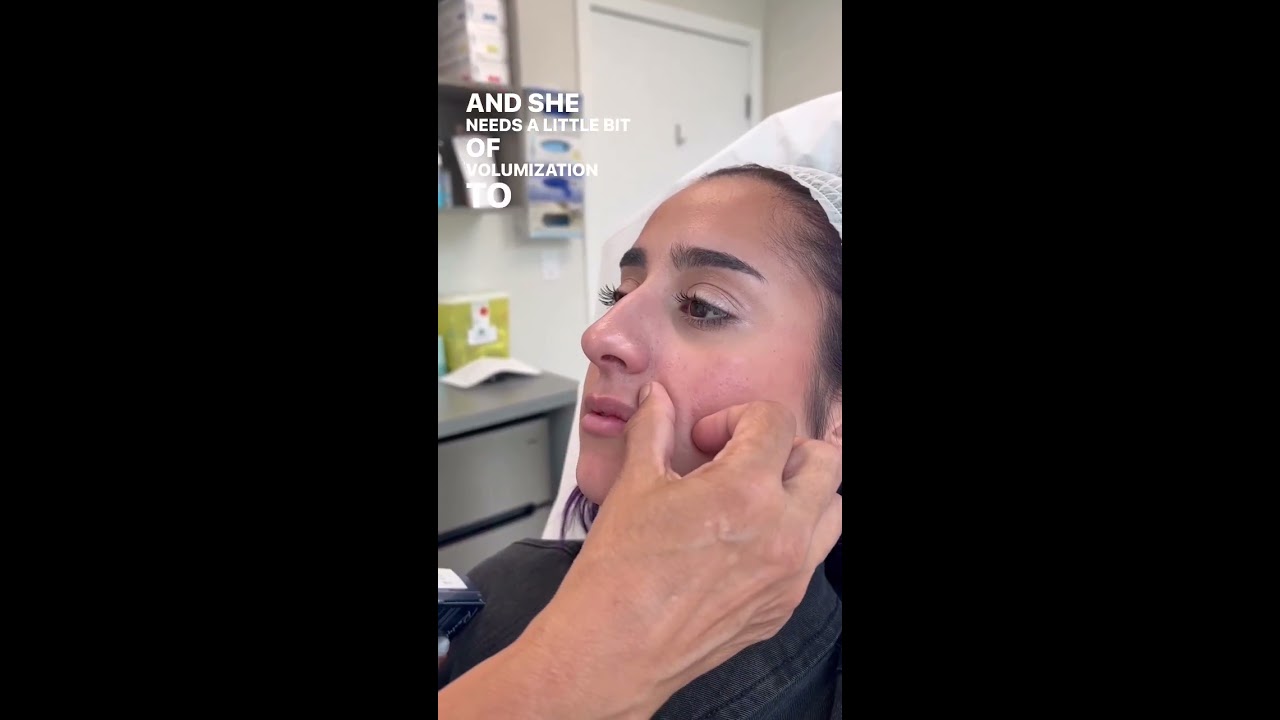
Experienced injectors think in terms of pressure and projection rather than “how many syringes make a lip full.” If you have thin skin, a single 1 mL session can look full but still supple. If you have dense, fibrous tissue, two sessions may be necessary to reach a similar look. Holding a mirror mid-procedure helps align the plan with your comfort level, because fullness jumps visually once swelling kicks in.
Classic, Russian, and everything in between
Technique shapes the mood of the lip. The classic approach builds gentle height across the vermilion with small boluses or linear threading, keeping the Cupid’s bow soft and the upper lip slightly smaller than the lower lip. It is forgiving and suits most faces.
The Russian lip filler technique emphasizes vertical pillars to lift the Cupid’s bow and create a defined, heart-shaped appearance with a flatter profile from the side. It can be striking but demands a careful hand. Overdone, it risks stiffness and an upturned, spouted edge. Not every lip can tolerate the pillar method; very thin or scarred lips may not pillar well.
Hybrid plans often deliver the best of both worlds. A provider might use subtle pillars only at the center for peak lift, then switch to classic linear placement at the lateral thirds for a smooth roll and natural smile lines. The lip shaping filler approach changes with the lip you bring to the chair.
Building symmetry without erasing character
Perfectly mirrored lips look odd because faces are not symmetrical. The job is to soften obvious imbalances while preserving your character. For example, if one side of the upper lip tucks inward, the injector can thread small amounts along the rolled edge, then place just enough filler under the dip to push it forward. Tiny corrections of 0.05 to 0.1 mL can level the peaks of the Cupid’s bow without flattening the curve that makes your lip distinct.
For asymmetrical lips related to dental alignment or a crossbite, fillers can help, but they may not fully correct the underlying cause. In those cases, pairing filler with dental input or bite guards yields a better long-term shape. Setting expectations and explaining these limits at the lip filler consultation avoids frustration.
The appointment, step by step
Most lip filler sessions take 30 to 60 minutes. Photos document baseline shape. Your provider will assess proportions with your face at rest and while talking, then mark boundaries for planned injections. Topical numbing cream sits for 15 to 25 minutes in most clinics. Some hyaluronic acid lip fillers contain lidocaine, which adds comfort as the session progresses.
The lip filler process involves small injections with a fine needle or cannula. Needles allow precise placement for contouring and Cupid’s bow work; cannulas can be useful to reduce bruising in the body of the lip and lateral portions where vessels are more variable. Pressure and speed stay low. A good sign is frequent pauses to reassess, massage small lumps, and verify the plan as swelling begins.
If pain worries you, ask about vibration distraction or dental blocks. Many clients describe the discomfort as sharp but brief, most intense at the Cupid’s bow and near the corners. People who metabolize anesthetics quickly or who are anxious do well with short breaks and chilled compresses between passes.
What full looks like right after treatment and after swelling settles
Immediately after lip filler injections, your lips will look bigger than the final result. Swelling peaks within 24 to 48 hours, then improves steadily over days three to five. Small bruises, needle marks, and a feeling of firmness are common. Photos taken at two weeks show a truer result. At that point, your provider can judge whether a touch up would help with volume or symmetry.
Clients often worry on day two or three that the result is too large or uneven. This is where experience helps. Swelling rarely happens perfectly evenly, and a small bump can be a pooling bruise rather than filler. Gentle massage only if your provider instructs it. Most small bumps softening within a week or two come from tissue response, not permanent misplacement.
Aftercare that keeps fullness smooth and comfortable
I take a conservative approach to aftercare. No strenuous exercise for 24 hours, no saunas or steam rooms for 48 hours, and no heavy pressure on the lips for several days. Sleep slightly elevated the first night. Keep lips clean and avoid makeup for 12 to 24 hours. Use a bland, non-fragranced balm to prevent dryness.
Alcohol thins blood and can worsen bruising. Skipping drinks for a day or two helps. If you can’t avoid a social event, plan the appointment five to seven days before. Arnica can reduce bruise visibility for some people, though evidence is mixed. Cold compresses used intermittently in the first hours calm swelling. NSAIDs increase bruising risk; if you need pain relief, ask your provider whether acetaminophen is a better choice.
Safety, risks, and what professionals watch for
Hyaluronic acid fillers have a strong safety record when placed by qualified injectors. Still, they carry risks. Bruising and swelling are expected. Nodules sometimes develop when filler sits too superficially or when tissue reacts; these often respond to massage or, if persistent, to hyaluronidase. Cold sores can flare in people with a history of HSV-1; preventive medication before a lip filler appointment is wise if you are prone.
The complication that commands the most respect is vascular occlusion. It is rare, but it demands immediate attention. Signs can include disproportionate pain, blanching that does not resolve, a gray or reticulated color change, and delayed capillary refill. Reputable lip filler clinics keep hyaluronidase and have protocols for dissolving filler quickly. This is one reason to avoid low-cost pop-ups that cannot manage complications.
Tyndall effect, a blue hue from superficially placed filler, occurs more in thin skin and with certain formulations. It is more common in tear troughs than lips, but a very shallow border injection can create a subtle grey line. Livonia MI lip filler When that happens, dissolving a small amount usually resolves it.
Price, value, and why “affordable” should not mean “risky”
Lip filler cost varies by location, product, and provider experience. In many cities, the lip filler price for a 1 mL syringe ranges from the low hundreds to over a thousand dollars. Appointment fees, follow-up care, and touch ups add to the total over time. Think in terms of a year: if a long lasting lip filler in your lips maintains shape for nine to twelve months, a higher upfront cost may still be more affordable than a cheaper filler that needs frequent top ups.
Beware of bargains that look too good. Counterfeit products and repackaged filler compromise safety. Choose a lip filler provider who sources from legitimate distributors and can show lot numbers. A robust lip filler clinic will welcome questions about products, technique, and emergency protocols.
Longevity and maintenance: how full lasts
Lip fillers generally last less than fillers in less mobile areas. Expect four to six months on the low end and eight to twelve months on the high end, with variation based on metabolism, product choice, and how animated your lips are. Athletes and people with higher basal metabolic rates often see faster fade. Smokers may notice hydration benefits but sometimes shorter longevity due to tissue quality and increased movement.
Maintenance does not have to mean repeating the full volume each time. Many clients do well with a lip filler touch up of 0.4 to 0.7 mL at six to nine months, focusing on areas that lose shape first, such as the upper lateral thirds or the central lower lip. If you prefer a subtle lip filler look most of the year, treating once annually and letting it fade gently is reasonable.
Matching fullness to age and skin quality
You can have full lips at 22 or 62 without chasing the same shape. Younger clients often want more height and pout. Older clients usually benefit from restoring support and smoothing vertical lines without over-projecting. Skin quality changes the plan. Sun damage, dehydration, and perioral lines call for a hydrating filler to improve texture before you stack volume. Sometimes a tiny amount of smooth filler feathered into vertical lines above the lip, combined with conservative border definition, returns a crisp outline and less lipstick migration.
Hormonal shifts, medications, and weight changes affect lip volume and swelling. Discuss any new health changes at your lip filler consultation so your provider can adjust your plan. People on blood thinners need a more cautious approach, and those with autoimmune conditions deserve a careful risk-benefit discussion.
Can you get painless lip filler
Pain-free is ambitious, but near-painless is achievable. Topical anesthetics help, and fillers with lidocaine reduce discomfort after the first few passes. Dental nerve blocks numb the area completely for many people, at the cost of temporary heaviness and a slightly longer visit. Vibrational distraction devices and calm, deliberate technique make a difference too. If pain is your main barrier, tell your provider before the lip filler appointment so they can plan a comfort-first strategy.
Alternatives and complements to injectable lip filler
Not everyone needs or wants injections. Lip flips, using small units of neuromodulator at the vermilion border, can evert the lip slightly and make it look fuller without adding volume. Results are subtle and last two to three months. Energy-based treatments, such as fractional lasers or radiofrequency microneedling, improve the skin around the mouth and soften barcode lines, which can make a lip look younger even without added volume.
Topical plumpers offer a temporary boost by drawing fluid into the surface, useful for events but fleeting. For structural thinness related to dental retrusion or a recessed chin, addressing skeletal support through dental or surgical consultation can create space for lips to look naturally fuller with less filler.
What to ask at your lip filler consultation
The best outcomes start with candid conversation. Bring reference photos that reflect the mood you like, not just maximal volume. Your provider should discuss lip filler risks, expected downtime, and the plan if something looks off after swelling settles. Ask whether your goals fit a single session or a series, what products they recommend and why, and how they handle after-hours concerns. A strong lip filler specialist will welcome these questions and explain trade-offs plainly.
Realistic expectations for first-time clients
The first time you see yourself with more volume, your brain can take a few days to recalibrate. It is normal to feel unsure during the swelling phase. Many first-time clients feel happiest when starting with a conservative fill and then adding more at a second lip filler session if desired. Photos taken before and after at the two-week point help you judge the change more objectively.
If you are preparing for a wedding or photoshoot, schedule your lip filler procedure at least three to four weeks in advance. That allows time for swelling to settle and for a light touch up if small asymmetries appear.
Common pitfalls that sabotage harmony
Over-defining the vermilion border creates a sharp shelf that catches the eye. Styling trends come and go, but lips that move naturally always age better. Overfilling lateral thirds makes smiles look pinched and can accentuate marionette lines. Stacking too much filler vertically in the central upper lip can flatten the Cupid’s bow and create an odd profile.
Another subtle pitfall is ignoring the lower face. If the chin is weak or the corners of the mouth turn down, small adjustments in those areas can make a full lip look more intentional and less isolated. Even 0.2 to 0.3 mL at each oral commissure to support the corners can lift the expression and keep lipstick from pooling.
A measured path to full, not overfilled
If your goal is full lips that stay believable in boardrooms, gyms, and candlelight, approach the journey like a sculptor, not a balloon artist. Favor progressive sessions, product selection matched to your tissue, and proportional checks against your overall face. The test is how you look when you talk, laugh, and stay quiet. You want volume that moves, shape that feels like yours, and softness that reads as healthy skin rather than stuffed tissue.
Below is a short, practical checklist you can reference before booking.
- Clarify the look you want: more height, more projection, or both, and bring photos that show shape rather than just size. Ask about product choice and why it fits your tissue and goals, including whether a hydrating base layer or a classic vs Russian lip filler technique makes sense. Plan timing around life events: allow two weeks for swelling to settle, and schedule touch ups rather than pushing too much in one session. Review safety: the clinic’s approach to vascular risks, availability of hyaluronidase, and follow-up access if concerns arise. Budget with longevity in mind: consider total cost over 9 to 12 months, including potential maintenance.
Finding the right provider
Typing lip filler near me into a map app will surface options, but your shortlist should rely on more than proximity. Look for a track record of natural outcomes and a portfolio that shows different face types, ages, and fullness levels. Pay attention to profile photos as much as front views, since projection mistakes show from the side. Read how the provider talks about lip filler aftercare, downtime, and side effects. A good lip filler clinic values follow-up and posts realistic lip filler before and after images with consistent lighting.
Certifications and credentials matter, but so does the consultation experience. Do you feel heard, and do you understand the plan? Does the provider outline possible lip filler side effects in concrete terms, not glossed over? Do they suggest alternatives if filler alone will not meet your goals? These are signs you are in measured hands.
The bottom line on full, harmonious lips
Fullness is easy. Harmony is earned. When you combine a tailored plan, thoughtful product selection, and precise technique, you can achieve plump lips that frame your smile without stealing the scene. The best lip augmentation leaves room for movement, lets light roll across a smooth surface, and fits your face the way a well-cut suit fits your shoulders. If you invest in that level of work, maintenance becomes straightforward, and your lips stay in that sweet spot where friends say you look refreshed rather than “done.”
For anyone ready to start, schedule a lip filler consultation with a provider who treats lips as part of a larger aesthetic picture. Bring your questions, allow enough time for healing, and give the process room to evolve. The result is not only fuller lips, but a more confident way you carry them.